From Regime Change to Leader-Targeting: The Venezuela Crisis and North Korea's Narrowing Options
- Commentary
- January 26, 2026

- Won Gon PARK
- Chair, EAI North Korea Research Center; Professor, Ewha Womans University.
Won Gon Park, Chair of the EAI’s North Korea Studies Center (Professor at Ewha Womans University), analyzes the arrest of Venezuelan President Maduro by the United States in January 2026, explaining that this event demonstrates a fundamental shift in the U.S. method of foreign intervention and its attitude toward international norms. The author points out that by adopting a strategy of "leader-targeting" instead of the uncertain goal of "regime change," the U.S. has proven that the leader of a sovereign state can become a direct target for neutralization. Chair Park suggests that this change in U.S. strategy will function as a "nuclear paradox" for North Korea, wherein nuclear weapons serve not as a deterrent for regime survival, but rather restrict the nation's strategic options by relegating its leader to a target of precision surveillance and coercion.
■ See Korean Version on EAI Website
The incident in January 2026, in which the U.S. arrested incumbent Venezuelan President Nicolas Maduro and transported him to the U.S. mainland, signifies more than just a military operation. This operation was conducted by U.S. special forces infiltrating a safe house in Caracas, the capital of Venezuela, to seize custody of President Maduro and his wife. The entire process from start to completion lasted only two hours and 30 minutes. Executed without the prior consent of the Venezuelan government or approval from international organizations, this operation was unprecedented as it represented a direct military intervention targeting the incumbent leader of a sovereign state.
As the detailed aspects of the operation became known, the specific intelligence and military capabilities of the U.S. were also revealed. It is reported that the CIA had deployed small teams in Venezuela months in advance to closely monitor Maduro’s movements, daily routines, security protocols, and safe house rotation patterns. Local informants had infiltrated Maduro’s inner circle, and the location data they provided was transmitted to the U.S. military in real-time, creating a system enabling continuous intelligence updates right up until the moment of the operation. Analysts suggest that, equipped with satellite imagery, signals intelligence (SIGINT), and unmanned reconnaissance assets, the U.S. was able to gain a multidimensional understanding of the precise safe house location, the structure of entrances, the deployment of security forces, and even the locations of nearby air defense networks. This convergence of intelligence capabilities enabled the operation to be executed within an extremely short timeframe and with the objective of capturing the target rather than eliminating.
This event starkly demonstrates the extent to which the U.S. attitude toward the rules-based international order it has long championed, its methods of foreign intervention, and its coercion strategies against adversarial leaders have evolved. In particular, this operation is distinctly different from existing U.S. intervention models in that it directly neutralized the supreme leadership of a sovereign state without explicitly pursuing the goal of "regime change." While U.S. military and intelligence capabilities being unrivaled is not new, this incident provides a different kind of shock by demonstrating that such capabilities are no longer limited to non-state actors or terrorist organizations but can be directly exercised against the incumbent leader of a sovereign state. This has significant policy repercussions as it implies that the U.S. has crossed the line of the tacit norm long maintained in international politics: "direct military intervention against a head of state."
More importantly, this incident is not limited to the Venezuela issue. For countries structurally opposed to the U.S., particularly personalist authoritarian regimes like North Korea, this situation is likely to be perceived not merely as foreign news, but as a clear indication of how U.S. interventions actually operate. This article analyzes the changes in U.S. coercion methods revealed through the Venezuela crisis and their implications under international law and strategy, and examines the impact this will have on North Korea's threat perception and strategic choices.
The Venezuela Operation and Cracks in the Rules-Based Order
The most prominent feature of this operation is the shift in how the U.S. interprets and utilizes international norms. Since the Cold War, the U.S. has brought normative language such as democracy, human rights, humanitarian protection, and international security to the forefront when justifying the use of force. The interventions in Iraq and Libya are representative examples of such logic. However, in regards to the Venezuela crisis, this value-based discourse has almost completely faded into the background. Instead, the U.S. defined Maduro as the "kingpin of an international narco-terrorist organization" indicted in U.S. federal court and characterized this operation not as a military action, but as a high-risk law enforcement mission. By placing a bounty and accompanying the operation with U.S. Department of Justice agents to execute a federal arrest warrant, a clear attempt to define the nature of the operation as a law enforcement action is observed.
However, this explanation does not resolve questions regarding international law. Article 2(4) of the UN Charter clearly prohibits the use of force and violation of sovereignty, as the forcible arrest and transfer of an incumbent head of state constitutes the most serious violation of sovereignty under customary international law. None of the existing exceptions—exercise of the right of self-defense, collective measures under UN Security Council resolutions, or very limited humanitarian intervention—can be clearly applied to this case. There is no evidence of Venezuela launching an armed attack against the U.S., nor was there explicit approval from the Security Council. Even if one acknowledges that human rights abuses and the undermining of democracy within Venezuela are severe, it is difficult to view the method of mobilizing military force to arrest and transport an incumbent head of state as falling within the category of humanitarian intervention agreed upon by the international community.
In this respect, this operation is closer to an example showing a political choice by the U.S. not to treat norms as grounds for voluntary restraint, rather than an "exceptional application" of international norms. Considering that President Trump has frequently remarked that "I do not need international law, and morality is the only constraint," this situation shows that such perception has moved beyond the rhetorical level and has been implemented as actual policy. This sends a clear message that norms operate only when they align with U.S. interests and that, if not, more direct— means such as military force can be mobilized.
Intervention Without Regime Change: The Rise of Leader-Targeting Strategy
Another change worth noting is that the goal of U.S. intervention is shifting from "regime change" to "leader-targeting and management." Even before entering politics, Trump cited the Iraq War as a prime example of failure and criticized interventions that forcibly change the political systems of other countries as "expensive and foolish choices." This perception was consistently reflected in Venezuela as well. The U.S. did not present a blueprint for democratization in the post-Maduro era, nor did it consider issues such as election fraud, suppression of the opposition, or media control the central justification for intervention.
This change is clearly revealed in Trump's attitude toward opposition figures. Trump publicly stated that María Corina Machado, who has been regarded as a symbol of Venezuelan democratization, was "unpopular," effectively dismissing her as a viable alternative. Instead, the U.S. chose a method of backing Vice President Delcy Rodríguez, a close confidant of Maduro, to enforce only U.S. objectives while maintaining the existing power structure. This demonstrates the selection of a management strategy that acknowledges vested interests rather than regime change.
This is also distinct from coercive diplomacy in the classical sense. While past coercive diplomacy aimed at changing specific policies of the counterpart state, this case differs in that the target of pressure is not policy but the individual leader. The U.S. demonstrated that it could obtain desired results by removing or neutralizing the individual at the apex of the regime, rather than negotiating with or pressuring the entire regime. This approach is a choice that minimizes costs and risks in that it can generate political impact in a short period through precise intelligence and special operations without large-scale troop deployment or long-term occupation.
Changes in North Korea’s Threat Perception Following the Venezuela Crisis
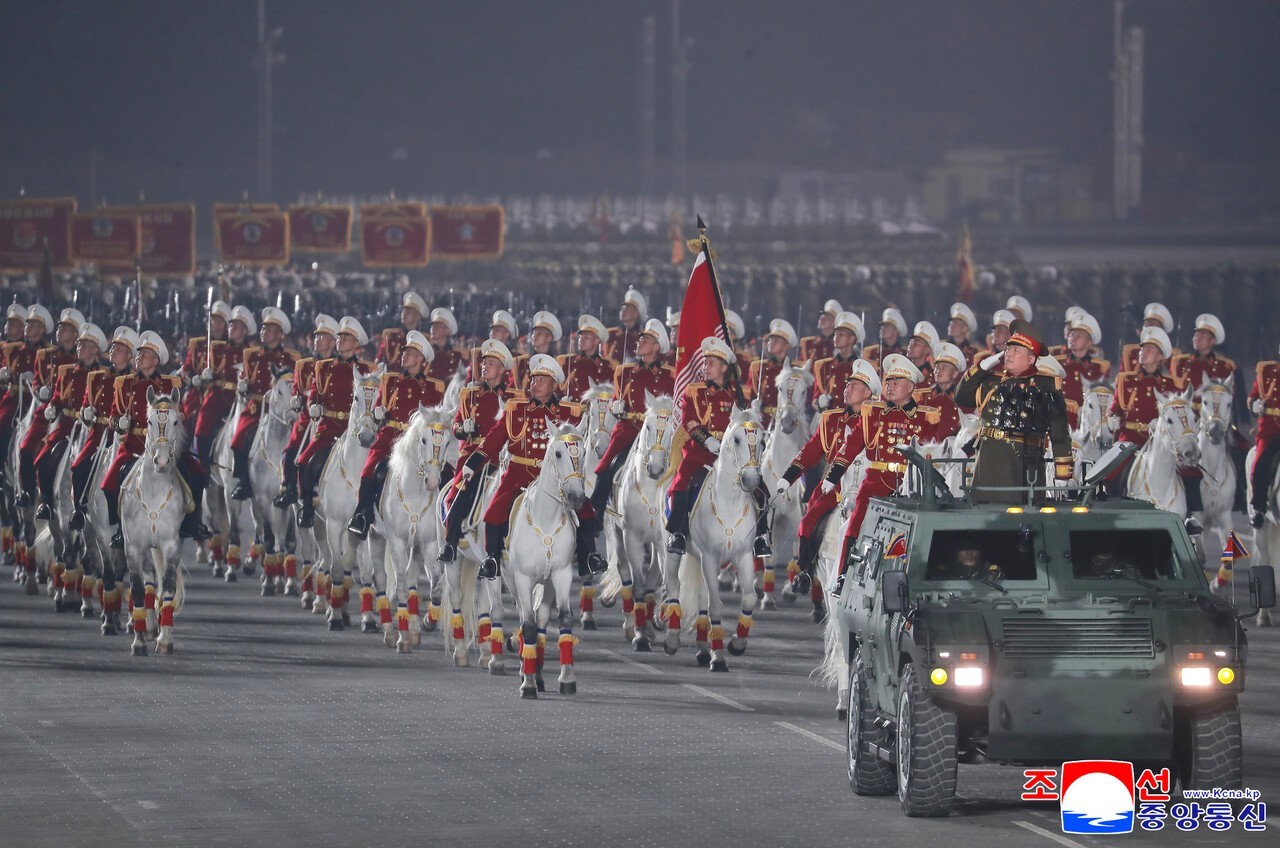
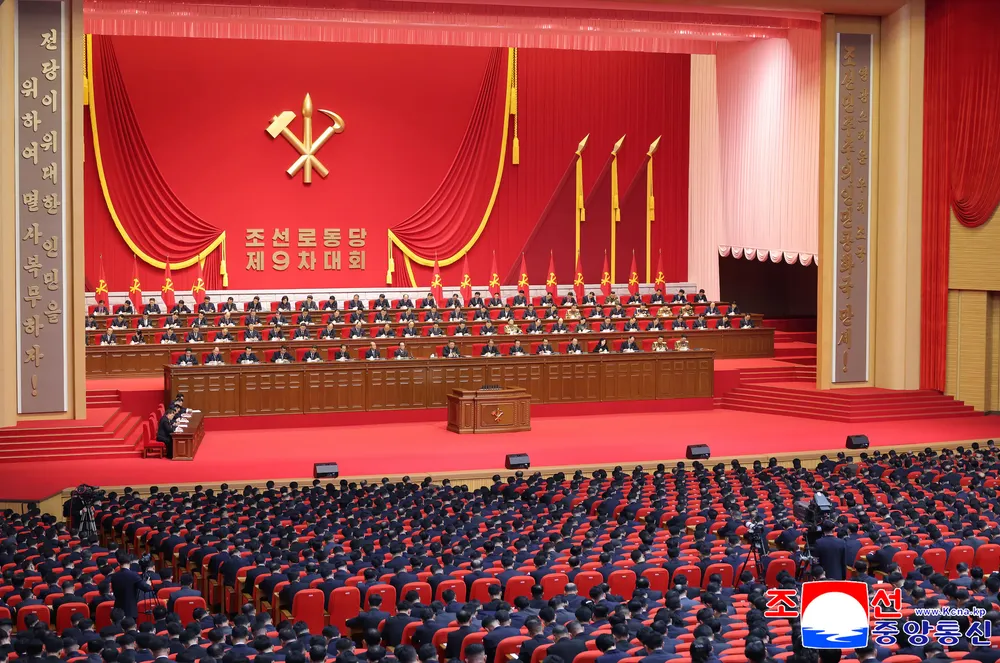
North Korea reacted relatively quickly to the Venezuela crisis. On January 4, the day after Maduro was transported to the U.S., the Korean Central News Agency (KCNA) stated that the U.S. had committed an "act that violently tramples on Venezuela's sovereignty," and noted that it was "closely monitoring the heightened instability surrounding the region." Subsequently, on January 5, Kim Jong Un mentioned that "various international events justify the strengthening of war deterrence," and it is sufficiently plausible to interpret that an awareness of the Venezuela crisis underlies this remark.
From North Korea’s perspective, the most immediate message is the military capability of the U.S. itself. The fact that the U.S. identified the exact location of an incumbent head of state and infiltrated special forces to—not just eliminate—but arrest and extract him is by no means a distant affair. Given the nature of the North Korean regime where all core authority is concentrated in the single supreme leader, it is highly likely that they have indirectly confirmed through this case that, in the event of military conflict, the U.S. can pinpoint the leader's location and execute a "decapitation strike." The Venezuela crisis was an event that demonstrated to North Korea that precision and intelligence capabilities can be more lethal than the scale of military force.
Another factor that makes North Korea tense is that the perception that the U.S. has restrained itself by existing norms and international law is no longer valid. In 2017, Trump readily used expressions such as "fire and fury" and "totally destroy" toward North Korea, and in September of the same year, he deployed three aircraft carrier strike groups to the East Sea and conducted large-scale joint air drills. At the time, previous actions were largely limited to rhetoric and threats, but through this Venezuela crisis, it is highly likely that North Korea has realized that the U.S. can actually take action if it deems it necessary.
In particular, the fact that this operation demonstrated a method of responding to adversarial states by replacing only the leader rather than changing the regime demands a new calculation from North Korea. Unlike Iraq or Libya, conditions for accepting large-scale anti-government forces or external occupation do not exist in North Korea. However, if the method is to remove only the leader while maintaining the existing elite structure, the logic suggests that relatively rapid stability can be secured, even if short-term chaos is endured. Such a perception can act as significant pressure on Kim Jong Un personally, and at the same time, further intensify his reliance on nuclear weapons.
The Paradox of Nuclear Deterrence: North Korea's Narrowing Strategic Options
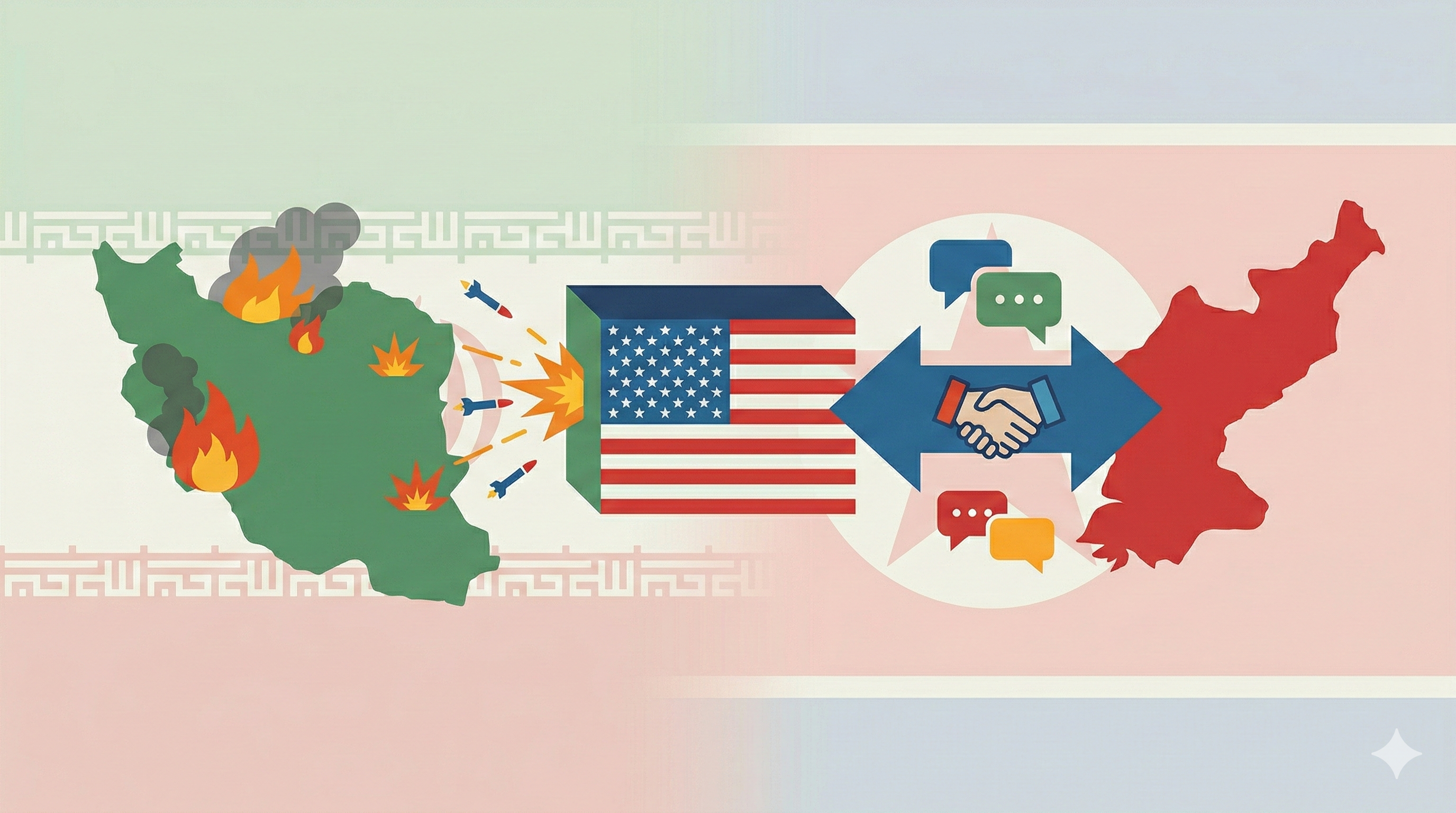
The Venezuela crisis is a symbolic event showing that the nature of U.S. foreign policy is changing. The U.S. no longer remains an actor that restricts itself through norms, and is utilizing more realistic means such as leader-targeting and selective coercion instead of the high-cost strategy of regime change. Such changes increase uncertainty throughout the international order while implying the possibility of fundamentally reshaping the threat perception of states in adversarial relationships with the U.S.
In the case of North Korea, this event may be perceived in the short term as an opportunity to once again reinforce the necessity of nuclear deterrence. This is because the U.S. has shown that it can actually use military force without being bound by international norms or diplomatic procedures. However, from a medium-to-long-term perspective, the possibility is growing that North Korea’s possession of nuclear weapons will become a strategic liability that constrains Pyongyang's options, rather than serving as a deterrent guaranteeing regime safety.
Nuclear armament has functioned as a means for North Korea to deter direct U.S. intervention, but at the same time, it has produced the effect of entrenching North Korea's status as a "nuclear threat to be managed." As a result, North Korea is always treated as an exceptional and provisional actor unwilling to broaden its diplomatic horizons as a normal state. As long as it possesses nuclear weapons, North Korea reinforces the U.S. and the international community’s perception that Pyongyang is a viable aim for leader-targeting or limited military coercion at any time, even if it is not an objective for regime change.
Moreover, nuclear weapons structurally constrain North Korea’s strategic flexibility. Unless nuclear weapons are abandoned, sanctions relief and incorporation into the international financial and economic order are inevitably limited. Conversely, the more nuclear capabilities are advanced, the more relations with the U.S. become cemented as a "management target" or "risk factor." This means that nuclear weapons, far from providing freedom of choice to North Korea, are acting in a direction that gradually reduces options in all areas of diplomacy, economy, and military.
The warning that the Venezuela crisis sends to North Korea lies precisely at this point. In an era where force overrides diplomacy, by possessing nuclear weapons, North Korea is becoming a target of the most precise surveillance and coercion rather than an actor that has secured deterrence. From the U.S. perspective, North Korea's nuclear weapons are not a basis for negotiation but a risk to be managed, and if necessary, an object to be removed or neutralized. Within this structure, there is a high probability that North Korea's nuclear card will act as a burden that constantly exposes the regime to crisis situations, rather than insurance as guaranteeing regime survival.
Ultimately, the options North Korea faces after the Venezuela crisis are becoming clear. The more it clings to its nuclear weapons, the more precise U.S. coercion strategies become, and the more North Korea’s strategic space narrows. Conversely, unless the nuclear issue is lowered to a manageable level, North Korea must endure the risk of being perceived not as a "partner capable of dialogue" but as a "potential target for action at any time." Depending on how Kim Jong Un interprets the Venezuela crisis, North Korea's options may contract further or change, albeit to a limited extent. However, what is clear is the fact that nuclear weapons no longer guarantee North Korea's security or survival. ■
References
Bennett, Bruce. Preparing for the Possibility of a North Korean Collapse, RAND, 2013.
Brownlie, Ian. International Law and the Use of Force by States, Oxford University Press, 1963.
Byman, Daniel. “Decapitation: Removing Leaders to Disrupt Terrorist Groups,” International Security, Vol. 31, No. 4 (2006).
Finnemore, Martha. The Purpose of Intervention, Cornell University Press, 2003.
George, Alexander. Forceful Persuasion: Coercive Diplomacy as an Alternative to War, United States Institute of Peace Press, 1991.
Glennon, Michael. Limits of Law, Prerogatives of Power, Palgrave Macmillan, 2001.
Goldsmith, Jack. Power and Constraint, W.W. Norton, 2012.
Jervis, Robert. Perception and Misperception in International Politics, Princeton University Press, 1976.
Sagan, Scott D. “Why Do States Build Nuclear Weapons?”, International Security, Vol. 21, No. 3 (1996).
Trump, Donald J. Campaign Speech on Iraq War, 2016.
■ Won Gon PARK is Chair of EAI’s North Korea Research Center, and Professor at Ewha Womans University.
■ Translated and edited by Inhwan OH, EAI Senior Research Fellow; Sangjun LEE, EAI Research Associate; Justin Chiyoon CHUNG, EAI Intern
For inquiries: 02 2277 1683 (ext. 211) | leesj@eai.or.kr